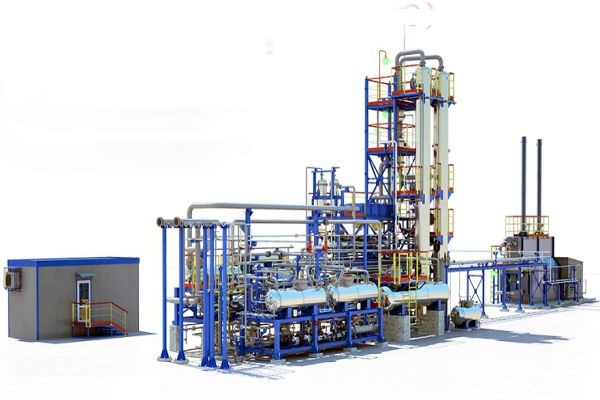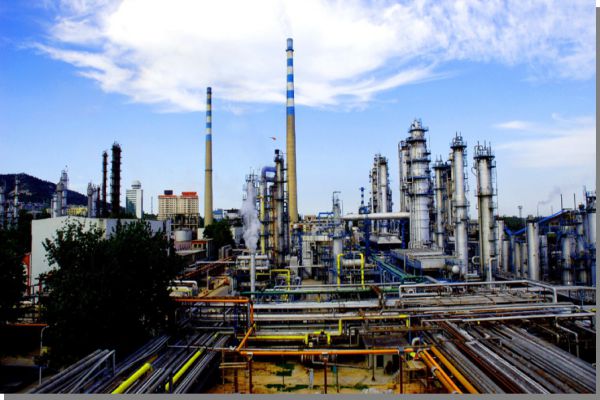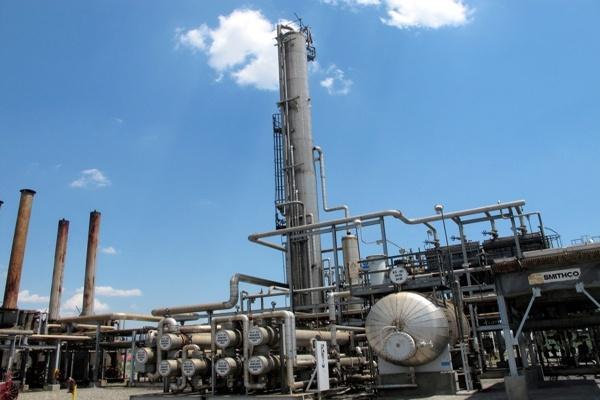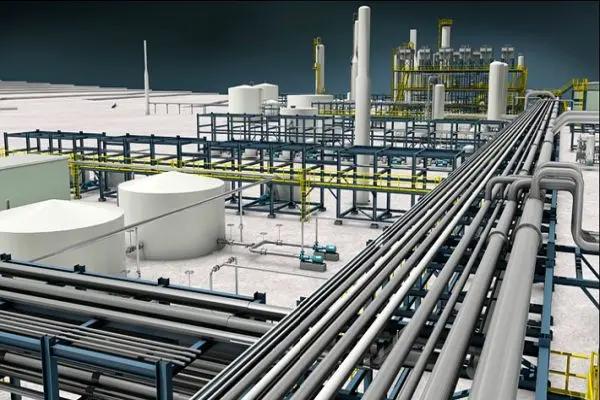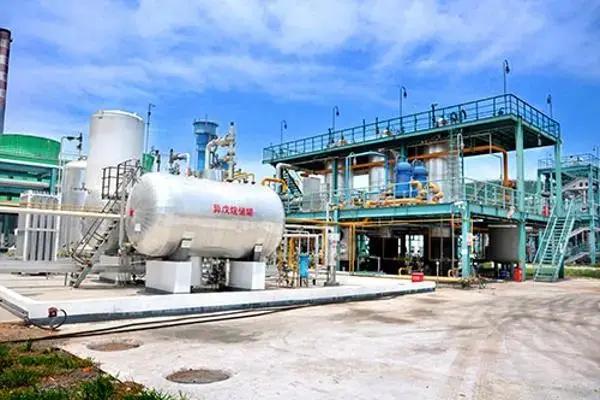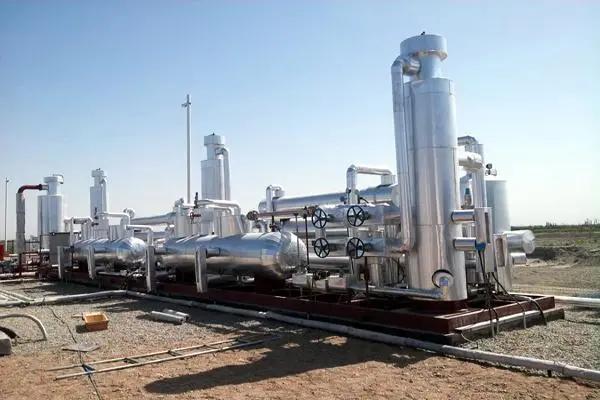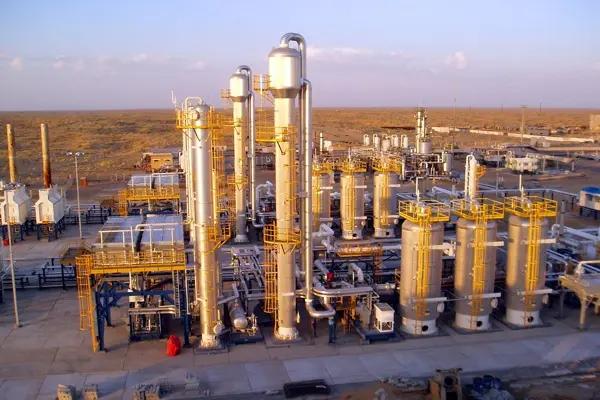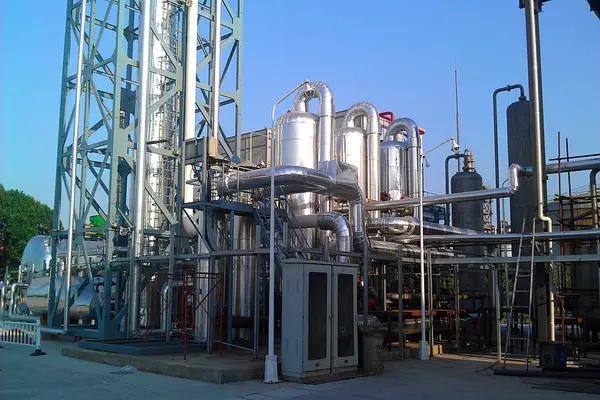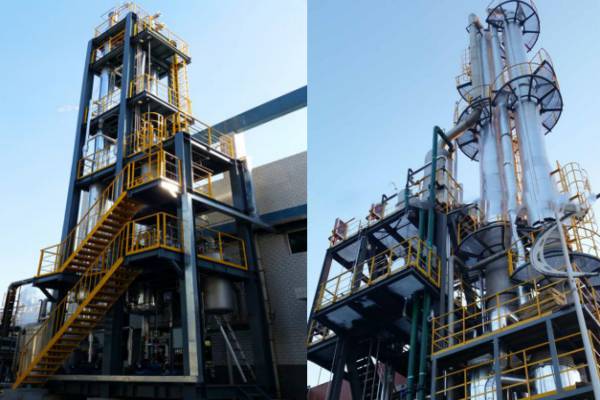

A sulfur recovery unit (SRU) converts hydrogen sulfide in refinery acid gas into elemental sulfur. An SRU in refinery service typically treats acid gas collected from upstream gas treating systems. Its design depends on the feed composition, sulfur load and required emissions performance.
PCC provides sulfur recovery unit solutions for oil refinery projects. A sulphur recovery unit using the Claus process combines thermal and catalytic reaction stages with sulfur condensation. The process configuration and any downstream tail gas treatment should be assessed against the project design basis.
The SRU process combines a thermal stage with catalytic conversion and sulfur condensation. In the reaction furnace, part of the hydrogen sulfide is oxidized to sulfur dioxide. The remaining hydrogen sulfide reacts with sulfur dioxide to form elemental sulfur, with further conversion taking place in downstream catalytic stages.
| Process stage | Main duty |
| Thermal reaction and heat recovery | Initiates conversion of the acid gas and recovers heat from the hot process gas. |
| Catalytic conversion and sulfur condensation | Converts additional sulfur compounds and separates the sulfur produced. |
| Tail gas handling | Addresses remaining sulfur compounds according to the required recovery and emissions performance. |
A sulphur recovery unit in refinery service handles sulfur-bearing acid gas from upstream gas treating systems. A diesel hydrotreater removes sulfur compounds from diesel streams and generates hydrogen sulfide, which can be collected through gas treating systems for sulfur recovery. These units perform different duties, and their interfaces should be defined within the refinery design.
An SRU unit proposal needs a defined acid gas feed and performance target. The following information helps establish the process configuration and equipment scope.
| Design input | Information to provide |
| Acid gas flow | Normal, minimum and maximum flow conditions. |
| Gas composition | Hydrogen sulfide, carbon dioxide, water and relevant contaminants. |
| Sulfur load | Expected sulfur loading under normal and peak conditions. |
| Required performance | Sulfur recovery target and applicable emissions requirements. |
| Utilities and interfaces | Available utilities, upstream connections, site conditions and supply boundaries. |
A useful SRU proposal starts with a clear acid gas design basis. PCC can review your feed conditions, sulfur load, required performance and interfaces with the other refinery process units. To begin the review, send your SRU project requirements with any available gas analysis and process information. The proposed configuration and equipment scope can then be defined for your project.
What does SRU mean in a refinery?
SRU stands for sulfur recovery unit. It converts hydrogen sulfide in refinery acid gas into elemental sulfur.
Are sulfur recovery units and sulphur recovery units the same?
Yes. “Sulfur” and “sulphur” are different spellings of the same term.
How does the SRU process work?
A Claus-based SRU combines thermal and catalytic reactions, with sulfur condensation between stages to recover the sulfur produced.
Does an SRU remove sulfur directly from diesel?
Hydrotreating removes sulfur compounds from diesel. The SRU processes the resulting hydrogen sulfide after it is collected through upstream gas treating systems.
Does every SRU require tail gas treatment?
The requirement depends on the selected process, feed conditions, sulfur recovery target and applicable emissions requirements.
What information is needed for an SRU quotation?
Provide the acid gas flow and composition, sulfur load, performance targets, available utilities and required supply scope.


we will contact you within 24 hours.